WORLD TRAVEL · CULTURE · NOV 15, 2026
15 Little Things Americans Discover Abroad That Make Everyday Life Better
The best travel discoveries are sometimes surprisingly small: a trip across town without a car, a market around the corner, or a payment that takes seconds. These are experiences to explore—not proof that every other country does everything better.
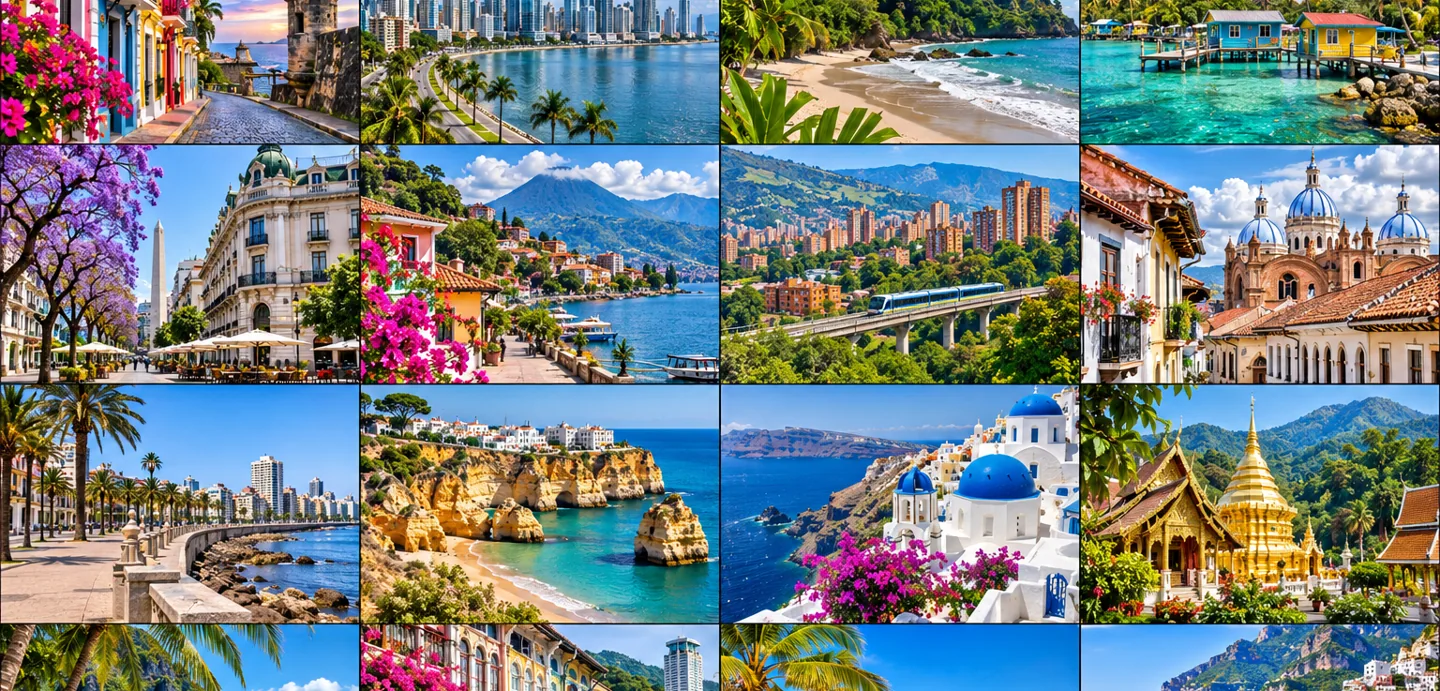
Original GOODFINDS travel collage; illustrative images, not images of the travelers quoted by BuzzFeed.
A BuzzFeed feature published November 14, 2026 collects travelers' favorite everyday experiences outside the United States. It includes opinions about trains, coffee, markets, recycling, banking, public facilities and work culture. Those observations make great conversation starters—but different places, incomes and travel styles produce very different experiences.
GOODFINDS takes a more useful approach: where can a traveler actually try an idea, how does it work, and what would you check before deciding that a city is somewhere you could live? None of the following experiences is universal, and some depend on the city, eligibility and budget.
1. Walkable errands
In parts of Spain, Italy, Japan and many other places, a bakery, pharmacy, bus stop and grocery store can sit within a short walk. That saves time on some days but does not mean every neighborhood is accessible, affordable or safe to cross.
2. Trains as a realistic option
An intercity train can turn driving time into reading time, but tickets, frequency, strikes and final-mile transfers matter. High-speed trains and regional services have different pricing and reservation rules.
3. The neighborhood bakery
Travelers often remember fresh bread, local pastries and everyday cafés. Quality and prices vary enormously, and tourist streets are rarely the best way to judge ordinary food budgets.
4. Coffee as a daily ritual
In many Spanish cities an espresso is a short stop in a bar or café rather than a drive-through purchase. The custom is enjoyable, but ordering etiquette and prices vary by region and venue.
5. Markets and small stores
Street markets and corner shops can be pleasant ways to shop frequently for a few ingredients. They are not automatically cheaper than supermarkets, and opening times can be limited.
6. Prices that already include tax
In the EU, consumer goods generally display a final selling price including VAT and other taxes under the Price Indication Directive. Services and special cases can follow different presentation rules.
7. Germany’s bottle-return machines
Many single-use drink bottles and cans in Germany carry a 25-cent Pfand deposit. You pay it at purchase and recover it by returning eligible empties, often through a supermarket machine. Reusable bottles can have different deposits.
8. Japan’s tap-and-go transit cards
Japan’s Suica, PASMO and related IC cards can simplify many rail and bus trips and even some small purchases. Coverage and acceptance vary by route and region; some visitor products have special rules.
9. Useful public facilities
Visitors notice details such as clean toilets, water fountains, seating, luggage storage and clear station signs. Availability varies and a tourist center may be better maintained than a residential neighborhood.
10. An afternoon without a car
Pedestrian streets, plazas and cycling routes can make a town feel more social. Yet heat, steep hills, disability access and unreliable buses can turn an idealized car-free plan into a difficult daily routine.
11. Simple euro bank transfers
SEPA harmonizes euro credit transfers across participating countries, making cross-border euro payments more like domestic ones. That does not erase foreign-exchange spreads, identity checks, or every possible bank fee.
12. Time off is more than a cultural stereotype
EU rules give workers covered by the Working Time Directive a minimum of four weeks of paid annual leave. Specific national employment contracts, eligibility, and the UK’s separate legal framework still matter.
13. Street food and local quick meals
A good inexpensive meal might be a Spanish menú del día, a German bakery lunch or food from an Asian convenience store. What counts as good value changes quickly with tourism, city and exchange rates.
14. Accessibility is in the details
Tactile paving, step-free entrances, child-friendly bathrooms and clear signage can make travel easier, but accessible infrastructure is uneven in every country. Photos of a single modern station do not prove an entire city is accessible.
15. The social spaces between home and work
Parks, benches, cafés and community events can give everyday life more opportunities for connection. Simply moving abroad will not automatically create friends or cure loneliness.
A seven-day discovery challenge
Day 1: Walk a full errand route. Day 2: Ride the local bus or train. Day 3: Shop at a market and a supermarket. Day 4: Try a normal neighborhood lunch. Day 5: Inspect pricing, fees and deposits. Day 6: Test accessibility, pharmacies and public services. Day 7: Compare the experience with your monthly budget and work or family needs.
Ask what worked for you, what was only convenient as a tourist, and what would change during summer heat, winter rain, school days or a stressful workweek. Enjoy the differences without turning an anecdote into a promise.
The small things are a better relocation test than a postcard
If a place wins your heart because of a tram, a market or a bakery, that is a perfectly good reason to learn more. Just give rent, healthcare, job rights, access needs and everyday expenses the same attention before moving.
Sources and editorial approach
This independent GOODFINDS article draws topic ideas from a November 14 BuzzFeed collection of individual experiences. It does not reproduce those responses, and official sources below support only the specific rules mentioned here.
What everyday habit surprised you abroad?
Share an actual experience and the city where it happened. Comments are moderated.
What surprised you most about living abroad?
Share a firsthand insight or useful local tip. Reader comments are moderated.
Leave a comment