Retiring in Costa Rica in 2027: Residency, Healthcare and Real-Life Costs
Nature reserves, biodiversity, outdoor living and an established expatriate network appeal to many retirees. Pensionado and Rentista are distinct temporary-residence categories; permanent pension and other stable external income are not interchangeable evidence.
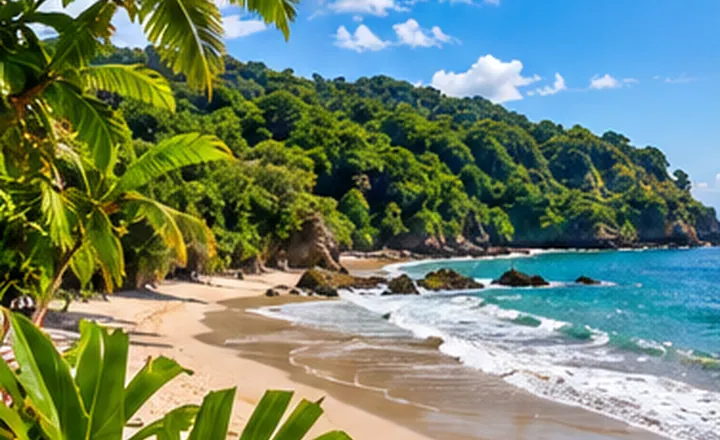
Costa Rica can be an appealing retirement idea, but it is worth separating three questions: can you reside there legally, can you afford an ordinary year rather than a holiday week, and can you get the services your household actually needs?
Guidance based on government starting points and practical comparisons; not immigration, tax or investment advice.
Is this the right retirement option for you?
Nature reserves, biodiversity, outdoor living and an established expatriate network appeal to many retirees.
For the right household, the appeal can be real: Plan a scouting trip before committing to a lease, house purchase or residence application.
The residence or retirement pathway
Pensionado and Rentista are distinct temporary-residence categories; permanent pension and other stable external income are not interchangeable evidence.
Begin with the authority responsible for the particular residence program. Check nationality restrictions, whether the route permits employment, whether family dependents qualify and which office takes the application. A blog headline or a tourist stamp is not an immigration decision.
Income proof, savings and paperwork
The immigration law specifies US$1,000 monthly stable foreign pension for Pensionado and US$2,500 monthly stable income for Rentista, subject to applicable evidence requirements.
A sound retirement budget separates recurring income from investments you may need to sell. Add the security deposit for housing, health coverage, medication, transport, document translation, legal assistance and unexpected flights home. Income thresholds mentioned in official rules can change, so rely on the current government version.
Where to live and how to choose
San José and the Central Valley offer medical networks and moderate temperatures; Guanacaste and coastal towns are attractive but can be hot and costly.
A residence permit on paper tells you little about everyday life. Compare access to a supermarket, walkable sidewalks, good mobile coverage, a dependable pharmacy and a hospital, then visit the same area during a busy weekday and a quiet weekend. A beach resort may be appealing in summer and awkward year-round.
Healthcare and everyday services
Review CCSS enrollment and renewal obligations in addition to private insurance or a bridge policy during your arrival period.
Ask clinics whether they accept your specific insurance plan and request written estimates for routine appointments and chronic treatments. Consider the availability of emergency care and evacuation when choosing an island or mountain town. Confirm benefits directly with the insurer; do not rely on a comment in a travel group.
Risks, hidden costs and tradeoffs
Rainy-season roads, imported-goods prices, vehicle costs and healthcare access vary substantially by region.
Treat apparent bargains cautiously. Currency swings, transport dependency, utility bills and annual fees are easy to overlook. Ask how residency is renewed, whether family members follow the same rules and what happens if pension payments change. A home purchase should not come before independent title and local-law checks.
A sensible first-visit checklist
- Confirm your eligibility and whether your pension or other income counts for this route.
- Request current instructions from the responsible consulate or immigration office.
- Prepare recent original statements, identity documents and any required apostilles.
- Compare at least two neighborhoods and use an ordinary rental before purchasing.
- Ask local insurers about age, pre-existing conditions and prescriptions.
- Test bank payments, mobile service and the trip to a major hospital.
- Budget for taxes, transfer fees, annual renewal and climate-related risks.
- Get personalized immigration and tax advice before transferring major sums.
Questions to answer before committing
Does a tourist entry let me settle permanently?
Not usually. Visiting as a tourist and obtaining legal residence are separate matters. Verify the applicable route, filing location, work restrictions and renewal obligations before relying on a visitor stay.
Will buying a home automatically grant residence?
Generally no. Property ownership and immigration eligibility are different. Confirm any country-specific investment exception directly with the immigration authority before signing contracts.
Will my U.S. pension, investments or Social Security be tax-free?
Never assume that. U.S. tax filing, the destination’s tax residence rules, income sourcing and any treaty all need a country-specific review. A visa is not a tax ruling.
Official starting point
Immigration and financial requirements can change. Check the responsible government agency before paying for applications or investments.
GOODFINDS publishes general information and may earn referral rewards from clearly marked services. We do not guarantee immigration approval, costs or tax outcomes.
Was this helpful?
Support independent, free guides with a voluntary coffee contribution.
☕ Support GOODFINDS
Join the conversation
Have you retired here? Share a useful correction or local experience.
Reader notes
No approved comments yet.
Leave a comment